November 15, 2026
Transitioning a household to renewable energy is one of the most impactful choices a property owner can make to reduce monthly utility expenses and increase energy independence. Switching to clean energy sources allows households to capture sunlight and convert it directly into usable electricity, powering daily appliances and heating or cooling systems. However, undertaking a complete home power conversion involves understanding how system design, roof placement, grid connections, and financial incentives work together.
Evaluating your property's readiness and daily power usage helps ensure that your energy installation operates smoothly and efficiently over its entire lifespan. Investing in residential solar panels provides a reliable pathway toward long-term utility savings and environmental sustainability. Understanding key project variables beforehand allows homeowners to make informed choices, ensuring a seamless transition from traditional power grids to clean, sustainable energy generation.
1. Assessing Roof Condition, Age, and Exposure
Before installing any equipment on your roof, evaluating the physical integrity, structural age, and material condition of your roofing system is essential. Solar arrays are built to remain outdoors for decades, meaning your roof structure must be sturdy enough to support the mounting hardware and hardware weight safely. If your roof shingles or decking are approaching the end of their operational lifespan, replacing or repairing them before mounting equipment prevents the extra expense of removing hardware later for roof work.
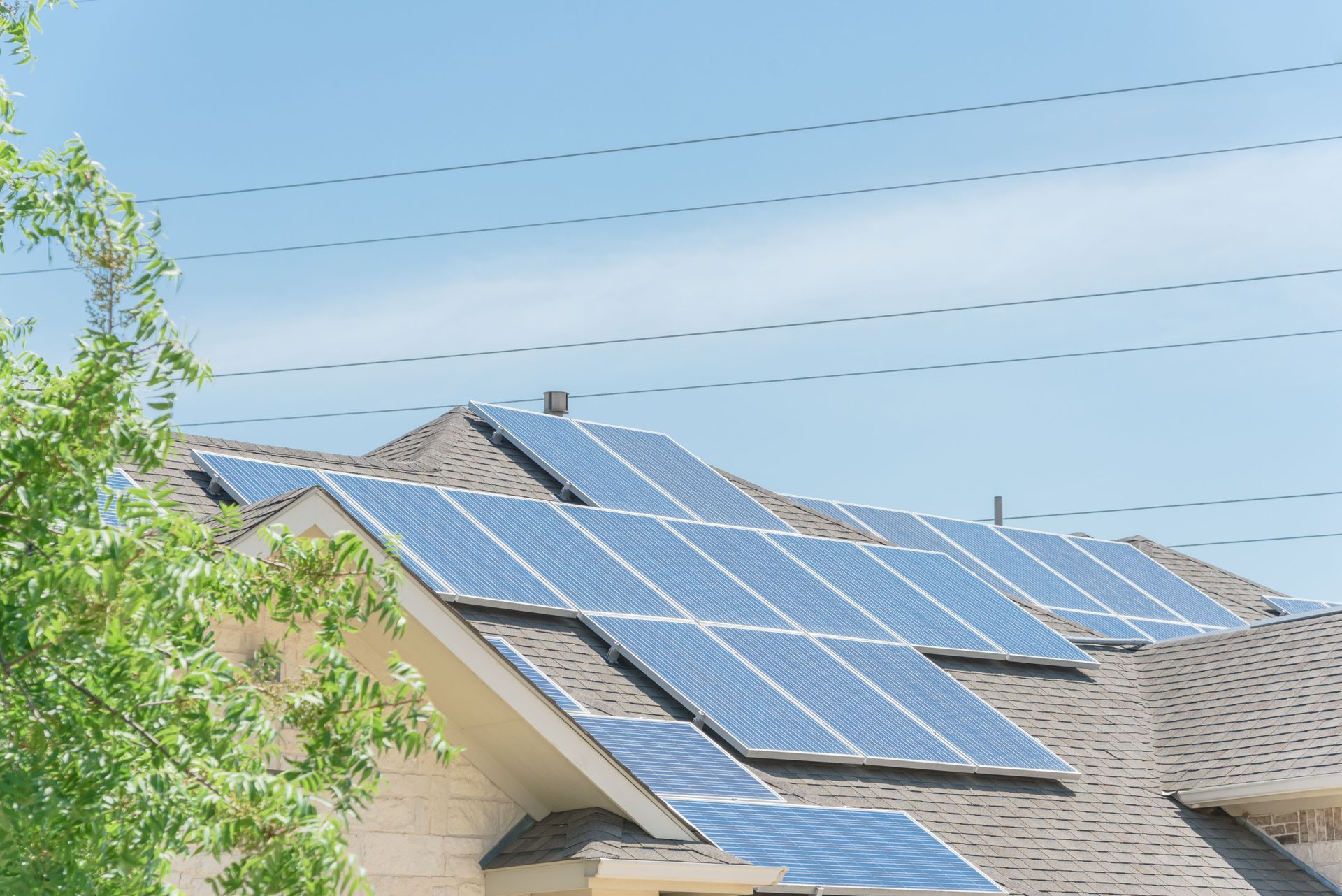
Additionally, shade from nearby trees, chimneys, or adjacent structures can lower overall daily power production. Mounting residential solar panels on a sound, unshaded, south- or west-facing roof maximizes sunlight absorption and provides a stable foundation for your clean energy setup.
2. Calculating Your Household Energy Consumption Habits
Designing an appropriately sized energy system requires a thorough review of your historical electricity usage rather than relying on current estimates alone. Reviewing twelve months of utility statements allows technicians to track seasonal power fluctuations, such as high summer air conditioning usage or winter heating loads. Understanding your total kilowatt-hour usage helps determine how many equipment modules are necessary to offset your electric bills effectively.
Oversizing a system leads to unnecessary equipment costs, while undersizing leaves you dependent on utility power grids during peak hours. Properly tailored residential solar panels ensure your daily household energy needs are met without paying for unneeded equipment capacity, optimizing your overall investment.
3. Navigating Local Net Metering Regulations and Grid Policies
Net metering programs play a vital role in determining the long-term financial return of a residential energy installation. Net metering allows homeowners to send excess electricity generated during peak sunny hours back into the local power grid in exchange for utility bill credits. These accumulated credits offset the cost of grid power drawn during evening hours or overcast days when system output drops.
However, net metering guidelines, credit compensation rates, and connection rules vary significantly between utility companies and regional markets. Installing residential solar panels in areas with favorable net metering policies ensures that every excess kilowatt-hour produced helps lower your monthly living expenses, boosting overall financial efficiency.
4. Understanding Long-Term Financial ROI and Payback Periods
Investing in a clean power system delivers predictable financial benefits, though understanding the timeline for full cost recovery is helpful when planning household budgets. According to This Old House, solar systems in the U.S. typically break even within nine to 12 years and then yield up to two decades of free energy. The exact payback timeframe depends on local utility rates, system installation costs, available tax incentives, and regional weather conditions.
Once the initial investment is recovered, the electricity produced offers pure monthly savings for the remaining operational lifespan of the equipment. Choosing quality residential solar panels guarantees consistent power output long after the initial payback period ends, providing decades of lower utility costs.
5. Deciding Between On-Grid, Off-Grid, and Hybrid Battery Systems
System architecture defines how your home connects to regional utility grids and handles potential power outages. Standard grid-tied setups are cost-effective because they use the utility network as a virtual backup, though they automatically shut down during blackouts to protect utility lines and workers. Adding energy storage batteries creates a hybrid system that stores surplus daytime power for nighttime use or emergency power during grid failures.
Off-grid systems operate completely independent of local power companies, requiring larger battery banks and backup generators to ensure uninterrupted electricity. Integrating battery storage with residential solar panels provides reliable backup power, giving homeowners peace of mind during severe weather events or utility disruptions.
6. Evaluating Available Federal, State, and Local Incentives
Government incentives, tax credits, and local utility rebates significantly lower the net cost of transitioning your home to clean power. Federal tax credits allow property owners to deduct a substantial percentage of total equipment and installation costs from their federal tax liability. Additionally, state-level tax exemptions, property tax relief programs, and local utility rebates further reduce upfront capital requirements.
Navigating available financial incentive programs before starting construction helps lower your out-of-pocket expenses and shortens your overall pay-off timeline. Pairing regional financial incentives with high-efficiency residential solar panels makes clean energy adoption accessible and financially attractive for homeowners across diverse income brackets.
7. Inspecting Home Electrical Panels and Infrastructure
Your home's electrical service panel serves as the central distribution hub, directing generated power from the roof into household circuits and wall outlets. Older properties may feature 100-amp electrical panels that lack sufficient busbar capacity or breaker space to accommodate new energy inputs safely. Upgrading your electrical panel to a modern 200-amp service before installation ensures your home handles current and future electrical loads safely.
Professional electrical technicians evaluate main breakers, grounding systems, and interior wiring to verify code compliance before connecting new equipment. Connecting modern residential solar panels to an updated electrical panel eliminates system bottlenecks and ensures safe power distribution throughout your home.
8. Reviewing Warranty Coverage and Equipment Lifespans
Understanding equipment warranties ensures your power system remains protected against manufacturing defects, equipment degradation, and physical damage. Standard industry warranties cover two main areas: product performance guarantees and physical equipment protection against environmental wear. Performance warranties guarantee that power production will remain above specified efficiency benchmarks, such as 80 percent of original capacity, after 25 years of continuous operation.
Inverter units and mounting hardware carry separate warranty periods that should be reviewed prior to purchase. Selecting durable residential solar panels backed by comprehensive multi-decade warranties protects your household investment and ensures long-term operational performance without unexpected repair costs.
9. Understanding Maintenance and Cleaning Requirements
Clean power installations are remarkably durable and low-maintenance because they contain no moving mechanical parts subject to friction wear. However, keeping protective glass surfaces free from accumulated dust, pollen, bird droppings, and fallen leaves is necessary to maintain maximum light absorption. Seasonal rainstorms clear light surface dust, but periodic visual inspections help spot heavy debris accumulation or shaded areas requiring attention. Ensuring safe physical access or arranging professional cleaning schedules keeps generation levels at peak efficiency year-round.
Maintaining clean residential solar panels prevents hot spots and preserves high conversion efficiency, ensuring maximum daily energy production across every season.
10. Analyzing HOA Rules and Municipal Permitting Rules
Before installing mounting hardware on your roof, navigating regional zoning regulations, building permits, and Homeowners Association guidelines is a necessary administrative step. Many states have solar access laws that prevent HOAs from prohibiting renewable energy installations, though associations may still mandate specific design guidelines regarding equipment visibility and placement. Securing proper building and electrical permits from municipal code departments ensures that structural installations meet wind resistance, snow load, and fire safety standards. Obtaining necessary permit approvals before installing residential solar panels prevents construction delays, ensures full insurance coverage, and guarantees that your installation complies with local safety standards.
Transitioning your household to clean, renewable power is an effective way to lower energy costs, build property value, and support long-term environmental sustainability. By evaluating roof health, analyzing daily power consumption, reviewing financial payback periods, and understanding grid connection policies, property owners can approach system planning with complete confidence.
Careful preliminary research ensures that your modern energy equipment operates smoothly and reliably for decades to come. Taking time to assess your electrical infrastructure and local incentives maximizes return on investment while delivering reliable household electricity. To explore customized energy options and start your home transition today, contact Greenlife Technologies, Inc to schedule a professional property evaluation.